

Safari Ltd. Good Luck Minis Ranch Fun Pack – 8 Mini Figurines or Ranch Animals – Educational Toy Figures for Kids Ages 5+
US$2.00
Price when purchased online
Free shipping
Free 30-day returns
Sold and shipped by elimuassistant.co.ke
We aim to show you accurate product information. Manufacturers, suppliers and others provide what you see here.
US$2.00
Price when purchased online
Free shipping
Free 30-day returns
Sold and shipped by elimuassistant.co.ke
Free 30-day returns Details
Product details
| Management number | 226055330 | Release Date | 2026/05/09 | List Price | US$2.00 | Model Number | 226055330 | ||
|---|---|---|---|---|---|---|---|---|---|
| Category | |||||||||
- Complete Set: 8 farm animals for a mini ranch life experience in your hand.
- Educational: Supports learning in counting, matching, and imaginative play, also for decorations.
- Quality Material: Safe, flexible TPE for kids 5+, offers durable farm animal replicas.
- Play Size: Mini figures 1 inch a little larger than a penny.
- Agriculture Fun: Helps kids learn about farm animals, farming history, and agriculture's role.
| UPC | 095866002282 |
|---|---|
| ASIN | B07DX6YC87 |
| Size | miniature |
| Color | Multicoloured |
| Scale | mini |
| Style | Modern |
| Theme | Animal |
| Set Name | Good Luck Minis Ranch Fun Pack |
| character | Animals |
| Brand Name | Safari Ltd. |
| Model Name | Granja |
| Item Weight | 9.07 g |
| Animal Theme | ranch |
| Manufacturer | Safari |
| Model Number | S100107 |
| Power Source | Manual |
| Material Type | Plastic |
| Inner Material | Plastic |
| Is Autographed | No |
| Item Type Name | Animals |
| Operation Mode | Manual |
| Outer Material | plastic |
| Collection Name | Good Luck Minis |
| Item Dimensions | 3.15 x 1.18 x 1.57 inches |
| Toy Figure Type | Miniature Figure |
| Number of Pieces | 1 |
| Additional Features | Durable |
| Included Components | Animals + Manual |
| Is Assembly Required | No |
| Age Range Description | Niño |
| Customer Package Type | FFP |
| Educational Objective | Educational: Supports learning in counting, matching, and imaginative play |
| Are Batteries Required | No |
| Play Activity Location | Tabletop |
| Manufacturer Part Number | S100107 |
| Item Dimensions L x W x H | 3.9"L x 3.7"W x 0.8"H |
| Manufacturer Minimum Age MONTHS | 36.0 |
| Global Trade Identification Number | 00095866002282 |


Bestseller ranking
Butter Sticks





Customers who viewed this product also viewed
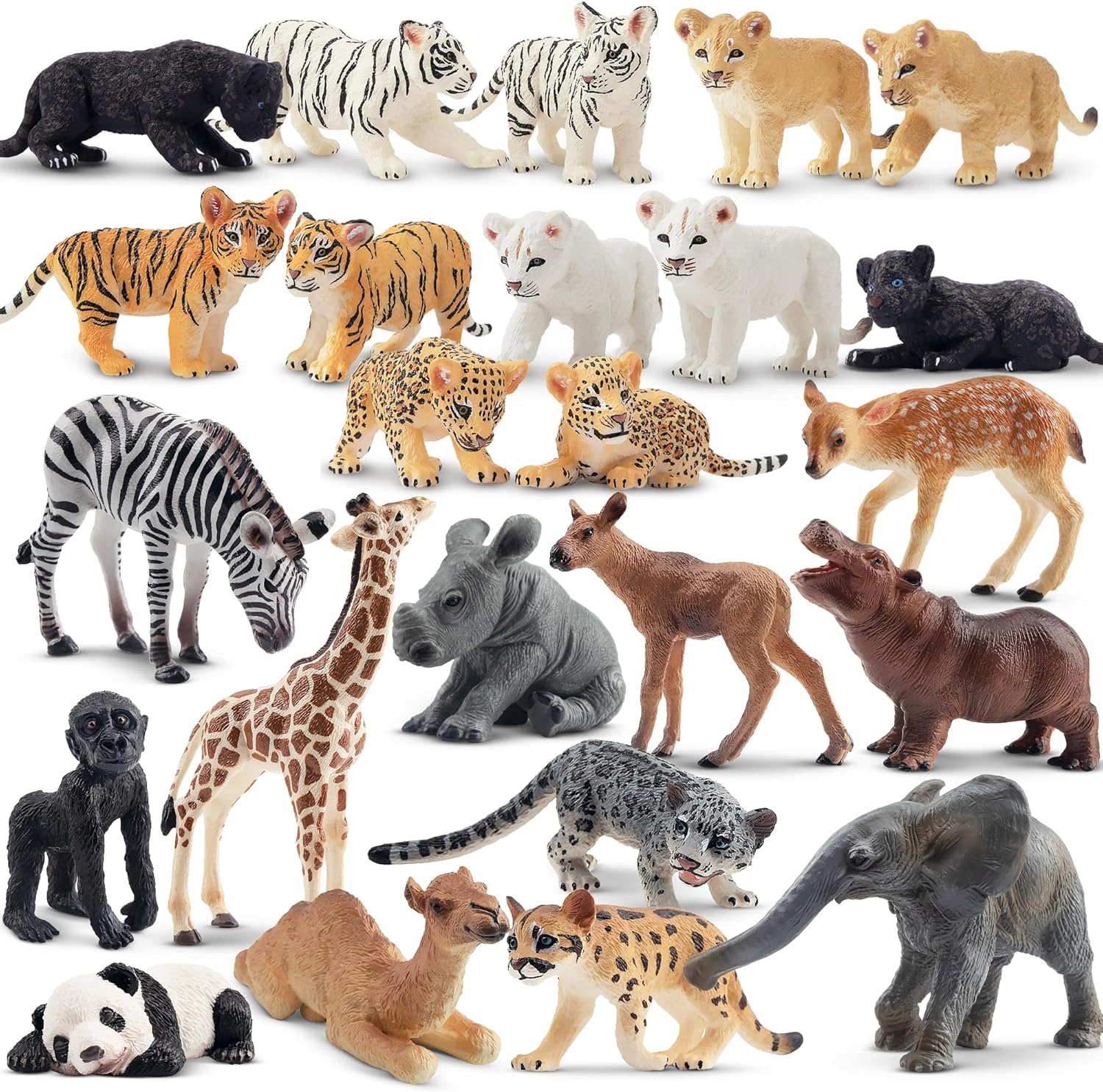
Playsets



Correction of product information
If you notice any omissions or errors in the product information on this page, please use the correction request form below.
Correction Request Form