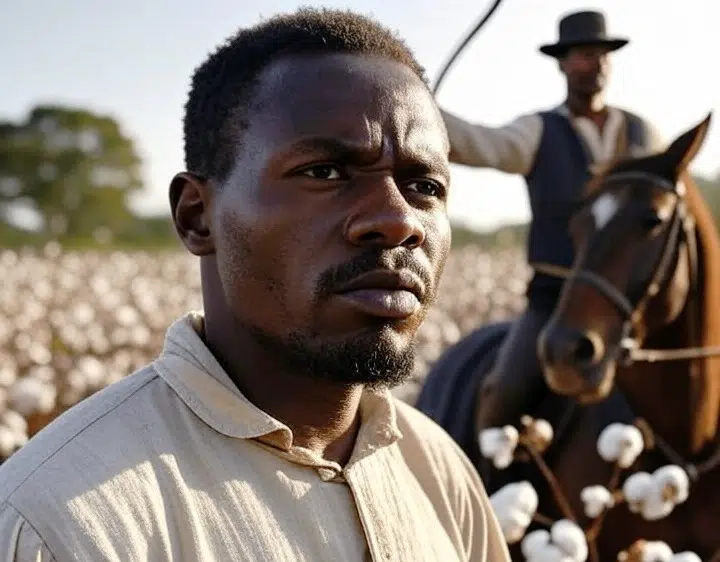
🌟 Background: Born around 1830 in Sanankaro, SE of Kankan in present-day Guinea, Samori Touré was one of Africa’s greatest freedom fighters. His father was a Dyula trader, and Samori initially followed this family occupation before becoming a legendary military leader.
🏰 Between 1852 and 1882, Samori created the Mandinka Empire with its capital at Bisandugu
1850s: Enrolled in military forces to liberate his captured mother
1858: Successfully secured his and his mother’s release, displaying extraordinary military skill
1882: French began war against Samori, accusing him of blocking the Kenyeran market center
🎯 Military Organization & Strategy
⚔️Infantry (Sofa): 30,000-35,000 well-trained men equipped with European guns
🐎Cavalry (Sere): 3,000 mounted warriors for rapid deployment
🛡️Elite Guards: 500 specially trained bodyguards
🔧Military Workshops: Facilities for weapon repair and manufacturing
📜 The Bisandugu Treaties (1886-1887)
🎯 Significance:
⏰Delay Tactics: Touré used treaties to delay confrontation and buy time for preparation
🤝British Alliance: Hoped to secure British friendship and trade routes
🛡️Protection: Temporarily placed Mandinka under French protection
⚔️ The Franco-Mandinka War (1891-1898)
🔥 Causes of the War:
🕌Religious Independence: Samori wanted to safeguard his empire’s Islamic identity
💰Economic Control: Refused to lose the rich Bure Gold Mines to the French
💪Military Superiority: His empire enjoyed military and economic dominance
🔫Modern Weapons: Trade success enabled acquisition of advanced arms
🎭Failed Diplomacy: British-French diplomatic strategy had failed
⚖️Enemy Support: French were selling arms to Samori’s enemies like Tieba of Sikasso
🎯 Factors That Aided Samori’s Resistance
🔧Military Workshops: Trained artisans for weapon repair and manufacturing
👨💼Personal Leadership: Courageous fighter, organizer, and tactician who led from the front
🔥Scorched Earth Policy: Mobilized entire population to retreat, leaving French to starve
💼Trade Success: Acquired guns and horses from the north through commerce
💰Wealth Management: Trade and tribute collection funded large army maintenance
🎖️Large Army: 35,000 well-organized soldiers formed formidable resistance
🤝Diplomatic Strategy: Used negotiations to buy time and strengthen forces
🌍Local Knowledge: French soldiers faced unfamiliar terrain and tropical diseases
🕌Religious Unity: Used Mandinka nationalism and Islam to unify forces in holy war
📉 Why Samori Was Finally Defeated
🏃♂️Constant Movement: Army and community couldn’t engage in economic activities while on the move
🔫Cut Off from Supplies: Second empire was isolated from Freetown firearm sources
🤝Lack of Unity: No support from other African societies; some even assisted the French
🎯Vulnerable Position: Second empire was open to attacks from all sides
⚔️Superior French Forces: Better weapons and supply lines, determined colonial expansion
😠Civilian Resentment: Scorched earth policy angered local populations
⚖️Internal Division: Non-Mandinka and non-Muslim communities supported French
🇬🇧British Refusal: No European ally materialized against the French
📅 September 29, 1898: Samori was captured in Guélemou and exiled to Gabon, where he died of pneumonia on June 2, 1900
🦁 The Ndebele Resistance
👑 King Lobengula & the Ndebele Nation
🌟 Background: The Ndebele were descendants of Nguni conquerors from South Africa who fled the Mfecane wars and occupied Matabeleland. After Mzilikazi’s death in 1868, his son Lobengula took over and faced increasing European pressure.
🏰 Lobengula used diplomatic skills to balance British, Portuguese, and German imperial interests
1870: Granted mining concession to Thomas Baines to diffuse white intervention
1888: Signed Moffat Treaty, limiting future European agreements
1888: Rudd Concession granted mining monopoly to British South Africa Company
1889: Repudiated treaty and sent delegation to Queen Victoria
⚔️ The 1893 Ndebele War
🔥 Causes:
🎭British Treachery: Ndebele detested deception used in Rudd Concession
🐄Lost Raiding Rights: British occupation ended Ndebele power over Shona raids
🎯British Provocation: Inciting Shona to raid Ndebele, then attacking under protection pretext
⚖️Immediate Trigger: Ndebele attempt to punish disobedient Shona subjects
📅 Course of War (October 1893):
British army led by Dr. Starr Jameson defeated weakened Ndebele forces at Shangani River and Mbembezi battles
Lobengula fled to Bulawayo where he died in 1894; Ndebele pushed to Gwaai and Shangani reserves
🔥 The Chimurenga War (1896-1897)
🌟 The Second Matabele War – A fulfillment of prophecy by Mbuya Nehanda and organized by spiritual leader Mlimo.
🔥 Causes of Chimurenga:
💼Trade Disruption: Fear of losing age-old trade routes and economic independence
🏛️Forced Trade: Company stopped Shona gold/ivory trade with Portuguese
🏞️Land Alienation: BSA Company pushed Ndebele to inferior reserves
👑Authority Erosion: Traditional leadership undermined; chiefs’ land allocation rights removed
⚖️Justice System: British assumed punishment rights, sometimes punishing chiefs themselves
💰Taxation: Brutal collection of hut tax introduced in 1894
👮♂️Humiliation: Shona recruitment in police force allowed revenge against Ndebele
😡White Brutality: General mistreatment and threats against African workers
⛏️Forced Labor: Deplorable conditions in European mines and farms
👥Class System Disregard: Traditional hierarchy disrupted, slaves treated equally with aristocrats
🐄Cattle Confiscation: 250,000 head of cattle seized, leaving only 50,000 disease-affected
🌧️Natural Calamities: Religious mediums blamed droughts and disasters on white presence
🙏Religious Influence: Mwari cult leaders promised victory and bullet immunity
🙏 Role of Religion in Resistance Organization
🤝Unity: Religion united formerly rival Shona and Ndebele communities
💪Morale: Boosted spiritual strength to fight against superior forces
🎯Mass Action: Provided common ideology and base for resistance
👨🏫Leadership: Religious leaders guided war against “immoral” white aggressors
🔗Spiritual Unity: Mkwati and Singinyamatse were backbone of Ndebele spiritual unity
📉 Why Ndebele and Shona Were Defeated
💔Disunity: Fought on different fronts; some African communities supported British
👥Class Division: Former aristocrats and slave classes fought separately
🎖️Training Gap: British soldiers better trained with reinforcements from Botswana and South Africa
⚰️Leadership Loss: Arrest and execution of Nehanda, Kagubi, and Singinyamatse demoralized people
⚔️Weapon Superiority: British had superior weapons compared to African forces
🛡️Failed Magic: Spiritual protection failed against enemy bullets
🤝Rhodes’ Diplomacy: Negotiated separate peace with Ndebele, isolating Shona resistance
📊 Results of the Wars
🏛️Lost Independence: British established authority over African communities
💀Casualties: Enormous loss of life and property
🏞️Land Loss: African land alienated, people confined to reserves
⛏️Forced Labor: Africans subjected to compulsory work systems
✝️Religious Change: Rapid spread of Christianity as people lost faith in local religion
👨💼Limited Recognition: Ndebele indunas gained recognition as headmen
Related Posts:
The Nandi Resistance… by Elimu Assistant Team 4 August 2025 8-4-4 Resources The Nandi Resistance (1895-1906) ⚔️ 🔥 Reasons for Nandi Resistance ✅ Pride & Superiority: Having…
Constitutional Changes… by Elimu Assistant Team 28 August 2025 8-4-4 Resources 📜 Constitutional Changes Leading to Kenyan Independence 🇰🇪 The Journey to African Representation in the…
Unlock Self-Assessment… by Elimu Assistant Team 29 August 2025 8-4-4 Resources African Nationalism Knowledge Quiz African Nationalism Knowledge Quiz Test your knowledge about the emergence and…
Women in Kenya's… by Elimu Assistant Team 27 August 2025 8-4-4 Resources 👩💼 Women in Kenya's Independence Struggle A Comprehensive Tutorial on Female Heroes of Freedom 🌟…
The Kikuyu Central… by Elimu Assistant Team 15 August 2025 8-4-4 Resources 🇰🇪 The Kikuyu Central Association (KCA) 🇰🇹 1924-1940 | Pioneer of Kenyan Political Resistance 🛠️…
British Rule in Nigeria by Elimu Assistant Team 7 August 2025 8-4-4 Resources 🇬🇧 The British in Nigeria Nigeria was originally comprised of: Lagos Colony Southern Nigeria Protectorate…
 By Elimu Assistant Team