 By Elimu Assistant Team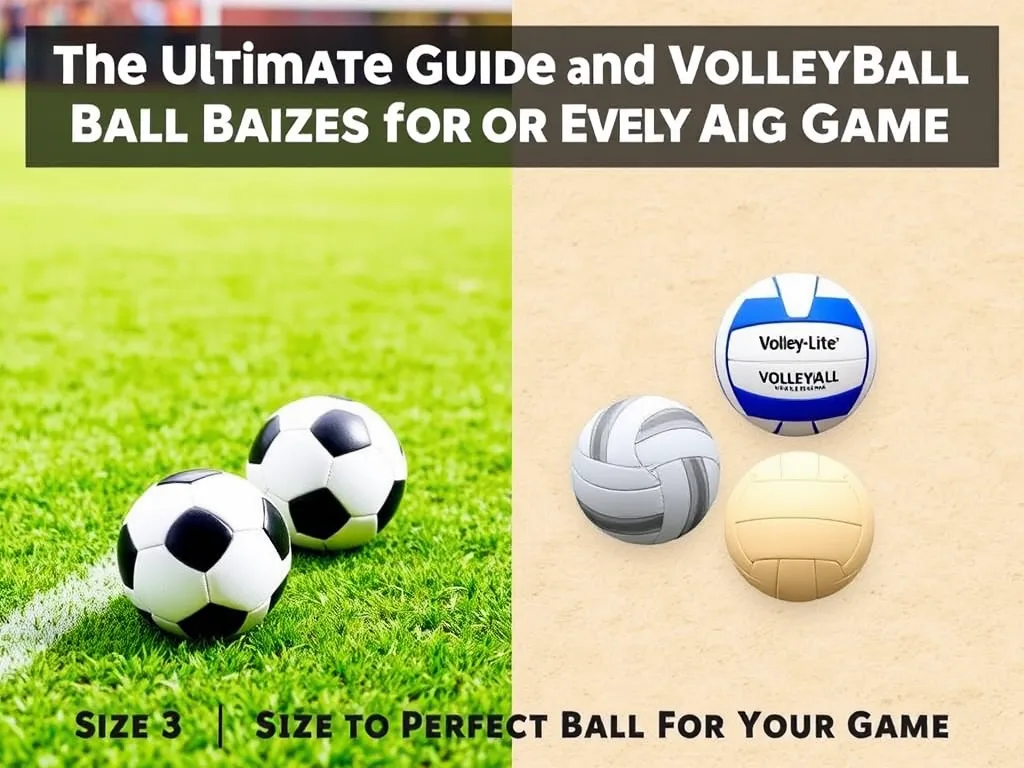
Choosing the Right Ball Size: Soccer and Volleyball for Different Age Groups
When it comes to sports like soccer and volleyball, using the right equipment is crucial for skill development, safety, and enjoyment. One of the most important pieces of equipment is the ball itself. Did you know that soccer and volleyball balls come in different sizes tailored to specific age groups? Using the correct size ensures that players can learn proper techniques, reduce the risk of injury, and have more fun on the field or court. Let’s break down the different sizes of soccer and volleyball balls for various age groups.
Soccer Balls: Size Matters on the Field
Soccer balls are categorized into five sizes, with each size designed for a specific age group or level of play. Here’s a quick guide to help you choose the right one:
Size 1: Mini Soccer Ball
- Diameter: 18-20 inches
- Weight: Lightweight
- Purpose: Skill training, promotional use, or for toddlers.
- Age Group: Not used in official games but great for young kids (under 3) to play around with.

Size 3: Junior Soccer Ball
- Diameter: 23-24 inches
- Weight: 300-320 grams
- Purpose: Designed for young players to develop basic skills like dribbling and passing.
- Age Group: Ideal for children aged 5-8 years old.
Size 4: Youth Soccer Ball
- Diameter: 25-26 inches
- Weight: 350-390 grams
- Purpose: Used for training and matches for older children.
- Age Group: Perfect for players aged 8-12 years old.
Size 5: Official Soccer Ball
- Diameter: 27-28 inches
- Weight: 410-450 grams
- Purpose: The standard size for professional and competitive play.
- Age Group: Suitable for players aged 13 and older, including adults.
Size 2: Skill Ball
- Diameter: 20-22 inches
- Weight: Lightweight
- Purpose: Used for skill training and practice drills.
- Age Group: Not tied to a specific age but often used by players of all ages to improve ball control.
Volleyball Balls: Finding the Right Fit for the Court
Volleyballs also come in different sizes and weights, depending on the age group and type of play (indoor, beach, or recreational). Here’s a breakdown:
Volley-Lite (Lighter and Smaller Volleyball)
- Circumference: 25-26 inches
- Weight: 7.2-7.8 ounces
- Purpose: Designed for younger players to develop proper technique without straining their arms.
- Age Group: Ideal for children aged 8-12 years old.
Official Indoor Volleyball (Size 5)
- Circumference: 25.6-26.4 inches
- Weight: 9.2-9.9 ounces
- Purpose: Used in competitive indoor volleyball matches.
- Age Group: Suitable for players aged 13 and older, including adults.
Beach Volleyball
- Circumference: 26-27 inches
- Weight: 9-10 ounces
- Purpose: Designed for outdoor play on sand. It’s slightly larger and softer than indoor volleyballs.
- Age Group: Suitable for players aged 13 and older.
Recreational Volleyballs
- Circumference: Varies (often similar to official sizes)
- Weight: Lightweight and soft
- Purpose: Used for casual play, often in gym classes or backyard games.
- Age Group: Great for all ages, especially beginners or younger players.
Why Does Ball Size Matter?
- Skill Development: Using the right-sized ball helps players develop proper techniques. For example, a smaller soccer ball allows young children to practice dribbling and passing more effectively.
- Safety: A ball that’s too heavy or large can strain muscles or joints, especially in younger players.
- Confidence: Playing with the correct ball size boosts confidence and makes the game more enjoyable.
- Game Performance: In competitive settings, using the right ball ensures fair play and adherence to regulations.
Tips for Choosing the Right Ball
- Check Age Recommendations: Always refer to the age guidelines provided by the manufacturer or your sports organization.
- Consider Skill Level: Beginners may benefit from lighter or smaller balls, even if they’re slightly older.
- Type of Play: For volleyball, decide whether you need an indoor, beach, or recreational ball.
- Quality Matters: Invest in durable, well-made balls that can withstand regular use.
Final Thoughts
Whether you’re coaching a youth soccer team, organizing a beach volleyball game, or just playing for fun, choosing the right ball size is essential. It’s not just about following the rules—it’s about creating an environment where players can thrive, learn, and enjoy the game. So, the next time you’re shopping for a soccer or volleyball, keep these size guidelines in mind. Your players (or kids) will thank you!
